Colorful Watercolor Brush Stroke Clipart: A Designer’s Real-Use Review
First Impressions: Fresh, Fluid, and Versatile
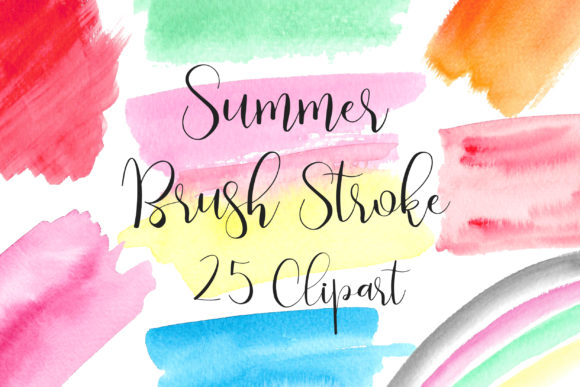
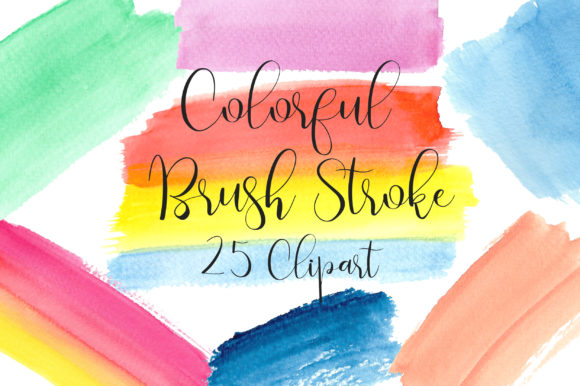
Opening the Colorful Watercolor Brush Stroke Clipart file, I immediately got a sense of movement and spontaneity. The design mimics actual watercolor brushwork—soft edges, overlapping hues, and organic texture. It’s not crisp or geometric, which is exactly the point. This clipart feels like a digital reinterpretation of hand-painted art, perfect for crafters and Etsy sellers aiming to add a touch of painterly charm to their embroidery projects.
The color transitions are smooth, and the layering gives a sense of depth. It’s not overly detailed, which makes it surprisingly adaptable. It has a playful, artistic personality that could work for both kids' items and boutique-style apparel. As a designer, I saw potential for tote bags, baby onesies, and even personalized pillow covers.
Real-Life Use: From Tote Bags to Sweatshirts
I tested this design on a few common embroidery applications to see how it would hold up. On a natural cotton tote bag, the brush strokes gave a painterly, hand-drawn feel. The softness of the lines blended well with the fabric texture, and the colors popped without looking garish. It felt like a high-end handmade item, not a mass-produced look.
When I stitched it onto a sweatshirt, the effect was subtler. The thicker fabric dulled the color contrast a bit, but the design still read clearly. I’d recommend using a lightweight stabilizer to prevent the stitches from sinking into the fabric and losing detail. It looked great centered on the chest or along a sleeve seam.
For baby items, like a onesie or bib, the design felt whimsical and gentle. I resized it slightly to fit smaller hoop sizes, and while some of the finer strokes got a bit compressed, the overall impression remained intact. It’s a good option for gender-neutral baby embroidery where you want softness and color without overt themes like animals or characters.
Where It Shines—and Where to Watch Out
Colorful Watercolor Brush Stroke Clipart works best on smooth, medium-weight fabrics like cotton, linen, or tightly woven blends. It holds up well on tote bags, tea towels, aprons, and pillow covers. The soft edges and flowing strokes feel at home in craft and home décor contexts.
However, I noticed some limitations when using it on textured or stretchy fabrics. On a ribbed knit cap, the brush strokes looked distorted in places. The same happened on a curved surface like a baseball cap, where the tension pulled some of the stitches slightly out of alignment. For these cases, I’d suggest using a lightweight cutaway stabilizer and testing on a sample first.
Dark fabrics also changed the mood. On black or navy backgrounds, the colors appeared more muted and sophisticated—great for boutique branding or minimalist designs. But if you’re going for a vibrant, cheerful look, stick to lighter fabrics or consider adjusting the thread colors for better contrast.
Stitching Clarity and Visual Appeal
One of the key concerns with brush stroke-style embroidery is stitch clarity. Since this design mimics watercolor, it’s not made up of clean lines and defined shapes. Instead, it uses soft fills and satin stitch edges to create the illusion of paint strokes.
In practice, the stitch density is balanced—dense enough to cover the fabric without puckering, but not so heavy that it feels stiff. The satin stitch outlines help maintain definition, especially around the outer edges. It’s a good example of how digital embroidery can replicate hand-drawn textures effectively.
From a visual appeal standpoint, this design adds a unique, artistic touch. It’s not something you’d find in a standard embroidery library, which gives it value for sellers looking to differentiate their products. Whether used as a standalone piece or layered with other elements like monograms or text, it enhances the handmade presentation and perceived professionalism of the finished product.
Commercial Use and Licensing Considerations
As an Etsy seller or small shop owner, one of your main concerns is whether a design can be used commercially. I recommend double-checking the licensing terms for Colorful Watercolor Brush Stroke Clipart before selling any finished products or digital items that include it. Some clipart licenses allow for personal use only, while others permit commercial use with credit or a small fee.
If you’re planning to use this in digital product previews or printable mockups, confirm whether the license allows for derivative works. This is especially important if you’re bundling the design with your own digital embroidery files or offering it as part of a template pack.
Design Tips for Best Results
To get the most out of this clipart in your embroidery projects, here are some practical tips based on my testing:
- Test on scrap fabric first—especially if you’re using textured or stretchy materials.
- Check thread color contrast against your fabric to ensure the vibrancy you expect.
- Review stitch density before stitching on delicate or thin fabrics.
- Confirm hoop size compatibility, especially if you’re resizing the design.
- Inspect small details after stitching—some of the softer edges may blend more than expected.
- Test in black and white mockups to see how the design translates without color.
- Compare light and dark fabric backgrounds to see which works best for your intended look.
- Use proper stabilizer depending on your fabric type—cutaway for stretchy, tear-away for stable weaves.
- Check commercial use rights before selling finished items or digital embroidery files.
Final Thoughts: A Flexible, Artistic Addition
Overall, Colorful Watercolor Brush Stroke Clipart is a versatile and expressive choice for embroidery designers and creative entrepreneurs. It brings a painterly, artistic flair that’s hard to replicate with standard embroidery motifs. Whether you're making custom apparel, personalized gifts, or boutique-style merchandise, this design can elevate your product’s visual appeal and perceived value.
It’s not a one-size-fits-all solution—it needs thoughtful placement and fabric selection—but when used well, it can make your work stand out. For crafters and Etsy sellers, that’s a big win in a competitive market.