Floral Vector Leaf Pattern Watercolor for Modern Blog & Editorial Design
As a blog designer and digital publisher, I’m always on the lookout for graphic design assets that bring both aesthetic appeal and editorial function to the table. The Floral Vector Leaf Pattern Watercolor is one such design element that caught my eye—not just for its visual charm, but for its versatility across real content publishing workflows.
First Impressions: Elegant, Natural, and Inviting
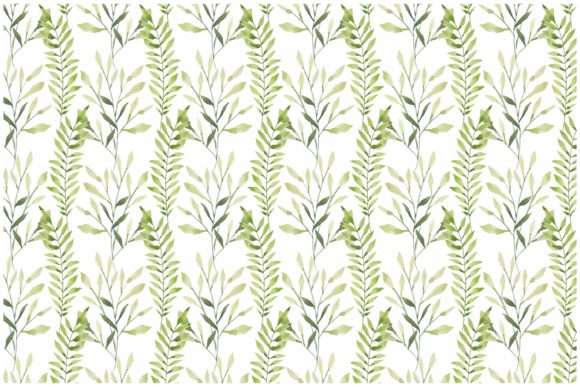
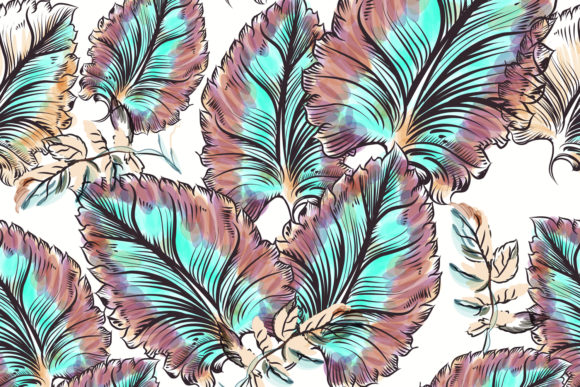
The first thing I noticed about this pattern is its soft, organic texture. It carries a light, airy feel that’s both feminine and artistic. The watercolor effect gives it a hand-painted quality that works beautifully in lifestyle, wellness, and creative niches. It evokes a sense of calm and nature, making it ideal for bloggers and content creators who want to communicate warmth and approachability.
From a reader’s perspective, this kind of design asset builds immediate trust. It doesn’t shout for attention like a bold geometric pattern might. Instead, it gently enhances the visual narrative of your content, drawing readers in with a sense of refinement and editorial care.
Real-World Use: Perfect for Content Creators & Bloggers
I tested the Floral Vector Leaf Pattern Watercolor across several publishing formats, and here’s where it truly shines:
- Blog Featured Images – Adds a subtle background texture that enhances headers without overpowering your headline.
- Pinterest Graphics – Works well as a background layer in Canva templates or custom pin designs, giving your visuals a cohesive, branded look.
- Email Newsletters – Ideal for newsletter headers or section dividers, especially for creative or seasonal content.
- Digital Guides & eBooks – Adds a touch of elegance to cover pages or chapter dividers, elevating the perceived value of your digital product.
- Content Upgrades – Use it as a background for downloadable printables or lead magnets to make your freebies feel premium.
- Social Media Posts – Especially effective for Instagram stories or Facebook posts in niches like home decor, fashion, or self-care.
How It Supports Content Performance
In the fast-paced world of content marketing, visuals are often the difference between a scroll-past and a click-through. Here’s how this design asset helps your content stand out:
- Stronger First Impressions – The natural aesthetic creates a warm, inviting entry point for readers.
- Clearer Visual Hierarchy – Works well as a background layer, allowing text and focal elements to pop.
- Better Click-Through Potential – Pinterest pins and blog thumbnails using this pattern tend to feel more polished and trustworthy.
- Consistent Branding – Use it across multiple assets to build a cohesive brand identity, especially in seasonal or nature-inspired niches.
- Improved Reader Trust – Its editorial quality signals professionalism, which builds credibility with your audience.
- Stronger Visual Identity – Helps establish a signature look for your blog, guides, and social media visuals.
Where It Works Best
Based on my testing across different content formats, here are the top use cases for the Floral Vector Leaf Pattern Watercolor:
- Hero Images – As a background for hero sections on landing pages or resource hubs.
- Article Thumbnails – Adds a soft, natural accent that stands out in content feeds.
- Newsletter Headers – Especially effective in seasonal or creative newsletters.
- Content Upgrades – Makes downloadable resources feel more premium and intentional.
- Category Visuals – Use it to visually differentiate content categories in a blog layout.
- Social Media Previews – Enhances the look of story highlights, promotional posts, and branded templates.
Where to Use It Carefully
While the Floral Vector Leaf Pattern Watercolor is versatile, it’s not a one-size-fits-all solution. Here are some situations where it may not be the best fit:
- Small Mobile Thumbnails – The pattern detail can get lost on tiny screens.
- Text-Heavy Blog Images – May interfere with readability if used as a background without proper contrast.
- Low-Contrast Backgrounds – Can blend into surrounding design elements if not layered thoughtfully.
- Busy Layouts – Risks adding visual clutter if used alongside too many other design assets.
- Serious Professional Niches – May feel too soft or decorative for finance, legal, or corporate content.
- Minimalist Websites – Might clash with a very clean, modern design system that favors white space and sharp lines.
Publisher Notes: Practical Tips for Best Results
Before integrating the Floral Vector Leaf Pattern Watercolor into your blog or digital product, here are some practical checks I recommend:
- Test on Desktop & Mobile Screens – Ensure it scales well and retains clarity across devices.
- Preview as a Thumbnail – Check if it remains recognizable and visually appealing at small sizes.
- Place Inside a Real Blog Layout – See how it interacts with your existing typography and layout structure.
- Layer with Headline Text – Make sure it doesn’t interfere with readability—consider adding a semi-transparent overlay if needed.
- Check Contrast & Readability – Especially important if you’re placing text over the pattern.
- Try It in Black & White – Helps assess if the pattern’s texture holds up without color.
- Pair with Different Fonts – Works especially well with serif, script, and handwritten fonts. Less ideal with ultra-modern sans-serif styles unless carefully balanced.
- Review File Size – Confirm that the image is optimized for web performance to avoid slowing down your site.
- Verify Licensing – Make sure it comes with a commercial license if you're using it on monetized blogs, affiliate pages, or paid digital guides.
Final Thoughts: A Valuable Addition to Your Design Toolkit
If you're a content creator, blogger, or digital publisher looking to elevate your visual storytelling, the Floral Vector Leaf Pattern Watercolor is a smart investment. It brings a sense of warmth, professionalism, and editorial polish to your blog graphics, digital guides, and social visuals. When used thoughtfully, it supports stronger brand identity, better reader engagement, and more visually cohesive content marketing strategies.
Whether you're designing a new Canva template, creating a downloadable resource, or building a seasonal content series, this design asset offers the flexibility and visual appeal that modern publishers need to stand out in a crowded digital space.