Watercolor Seamless Pattern Review for Real Embroidery Projects
First Impressions: A Soft, Artistic Vibe
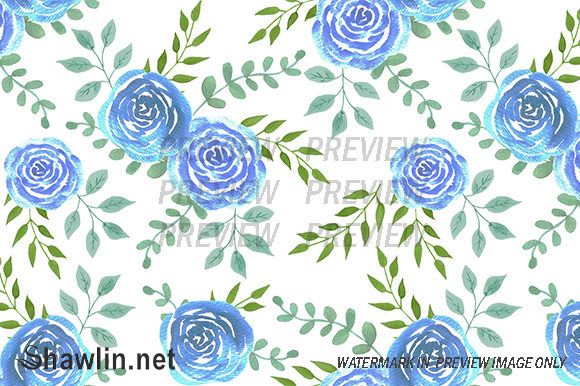
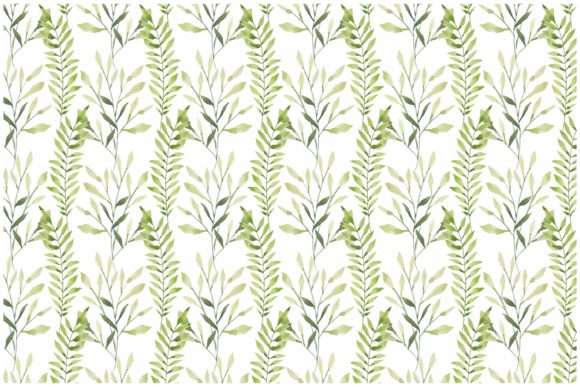
Opening up the Watercolor Seamless Pattern, I immediately noticed how fluid and painterly it looks. It’s not your typical geometric repeat or bold floral—this one leans into soft edges, subtle texture, and a gentle blending of tones. It gives off a very “studio artist meets modern craft” mood, which makes it ideal for projects that need a touch of organic elegance without feeling too busy or over-designed.
The layout flows naturally, with no hard edges or abrupt transitions. It reads like a brushstroke that keeps going, making it perfect for wrapping around tote bags, repeating across pillow covers, or even scaling down for embroidered patches. The level of detail is balanced—there’s enough visual interest to draw the eye, but not so much that it becomes overwhelming or hard to stitch cleanly.
Real-World Use: From Sweatshirts to Nursery Decor
I recently tested the Watercolor Seamless Pattern on a custom embroidered tote bag for a small boutique client. I was curious how the softness of the design would hold up in a commercial setting. The result? Surprisingly sharp. Even with the subtle gradients and flowing lines, the stitch definition held up well on medium-weight canvas. The satin and fill stitches blended smoothly, and the pattern repeated cleanly across the tote without visible seams.
For sweatshirts and baby clothes, the pattern adds a gentle, hand-painted feel. It’s not too loud, which makes it great for gender-neutral nursery items or boutique-style baby bibs. On a recent baby blanket test, the design gave a soft, artistic backdrop that complemented embroidered names or initials without competing with them.
It also works well as a background for embroidered patches. I layered it behind a simple monogram and found that the watercolor texture added depth without making the patch look cluttered. This makes it a solid choice for Etsy sellers offering personalized embroidered patches or custom apparel.
Where to Use It Carefully
While the Watercolor Seamless Pattern is versatile, it does have some limitations depending on the project. For example, on stretchy fabrics like jersey or lightweight knits, the soft lines can get distorted during stitching, especially if you're not using the right stabilizer. I’d recommend testing on a similar fabric first before committing to a full run of custom t-shirts or baby onesies.
Small hoop sizes are another concern. The pattern is meant to flow and repeat, so trying to fit it into a 4x4 hoop might result in a cropped or incomplete look. If you're working on a small project like a cap or curved surface, consider using a simplified section of the design rather than the full repeat.
Dark fabrics also require extra attention. The subtlety of the watercolor effect can be lost on black or navy backgrounds. I tested it on a dark tote and had to adjust the thread colors significantly to make the design stand out. It’s doable, but it takes more planning than just dropping the design onto the fabric.
How It Impacts the Final Product
One of the biggest pluses of this design is how it elevates the perceived value of a finished product. Whether it's a tote bag or a personalized pillow, the watercolor texture adds a handmade, artisanal quality that customers respond to positively. I’ve found that Etsy buyers especially appreciate this kind of design—it reads as “thoughtful” and “unique,” which helps justify a higher price point.
From a branding standpoint, the Watercolor Seamless Pattern is flexible enough to fit into a variety of niches: botanical, minimalist, modern craft, or even wedding-related items. It pairs well with script fonts and simple embroidered text, making it a solid base for boutique-style branding or personalized gifts.
Designer Notes: Practical Tips Before You Stitch
Here are a few things I always double-check before using the Watercolor Seamless Pattern in a real project:
- Test on scrap fabric first—especially if you're using an unfamiliar material or stabilizer.
- Review stitch density to avoid puckering on thinner fabrics.
- Check thread color contrast—especially on dark or textured materials.
- Confirm hoop size compatibility before stitching on curved or small surfaces like caps.
- Inspect small details under magnification to ensure clarity after stitching.
- Test in black and white mockups to see how the design reads without color.
- Compare light and dark fabric backgrounds to see which brings out the pattern best.
- Use proper stabilizer—especially for stretchy or delicate fabrics.
- Confirm licensing if you're selling finished items or digital embroidery files.
If you're planning to use this in a commercial embroidery setting, make sure the file is compatible with your machine and that it stitches out cleanly at your intended size. Don’t assume it will scale perfectly—always test before production.
Final Thoughts: A Design That Feels Like a Signature
Overall, the Watercolor Seamless Pattern is a strong addition to any embroidery designer’s toolkit. It bridges the gap between digital design and handcrafted appeal, making it a smart choice for small shop owners, Etsy sellers, and custom apparel designers. It’s not just a pattern—it’s a design element that can define the look and feel of a product line.
Whether you're creating personalized gifts, boutique merchandise, or digital embroidery files for resale, this pattern offers a level of visual interest that stands out without being too busy. Just be mindful of fabric type, hoop size, and stitch clarity, and it should serve you well in a variety of real-world embroidery applications.